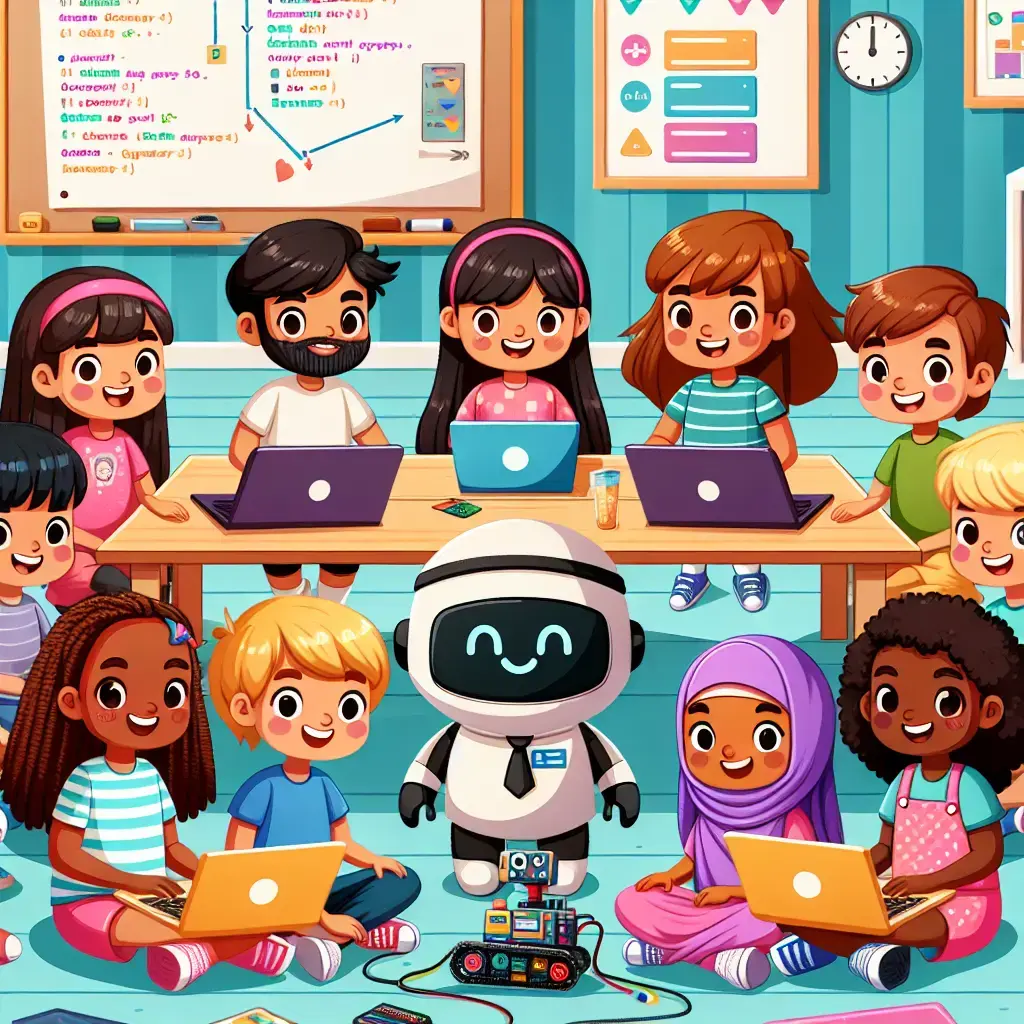
Unleashing Creativity and Logic: An Introduction to Coding for Kids
In today's digital era, coding has become an essential skill, especially for young minds eager to explore the wonders of technology. Introducing coding for kids opens up a world of creativity, problem-solving, and logical thinking. As more parents and educators recognize the value of programming for children, the demand for engaging kids coding classes and activities is on the rise. Through beginner coding for kids, children can dive into the basics of technology, learning how to turn their imaginative ideas into reality.
The Rising Importance of Coding Education for Kids
Coding education for kids is no longer a niche interest; it has become an essential part of a well-rounded education. As technology becomes more ingrained in our daily lives, introducing coding to young learners is crucial. Beginner coding for kids provides a foundational understanding of how technology works, enabling children to transform their imaginative ideas into reality. Moreover, coding activities for kids can enhance problem-solving skills and foster an innovative mindset.
In recent years, various organizations have recognized the importance of teaching kids to code. For example, Apple's Community Education Initiative has partnered with 4-H to extend its reach beyond traditional agricultural education. This collaboration aims to introduce programming in Swift to over 90,000 young people across the United States, particularly those from underrepresented communities. This initiative not only democratizes access to technology but also highlights how coding can bridge gaps in educational equity.
Innovative Approaches: From Coding Games to Workshops
Engaging children in coding requires creative approaches that blend fun with education. Coding games for kids are a popular method, providing an interactive platform for children to apply their skills in real-time scenarios. These games challenge young learners to think critically and solve problems creatively, making learning enjoyable and effective.
Moreover, coding workshops for kids offer hands-on experiences that promote collaboration and innovation. These workshops provide an immersive environment where children can work on projects, exchange ideas, and learn from one another. This experiential learning approach is crucial in nurturing a passion for technology at an early age.
In addition to workshops, structured kids programming courses guide learners through a comprehensive curriculum designed to build their skills progressively. By providing a clear path for advancement, these courses ensure that children gain a deep understanding of programming concepts and how they apply to real-world problems.
Spotlight on Impactful Initiatives
Several impactful initiatives have emerged recently, showcasing how coding education can transform young minds. Apple's partnership with 4-H exemplifies the potential of combining technology with youth development programs traditionally focused on agriculture. By incorporating coding into their curriculum, 4-H is broadening its educational impact and preparing students for diverse career paths.
Another exciting development is the rise of tech hubs in unexpected regions. For instance, Nigeria has become a burgeoning center for technology and innovation among its youth. According to TechCabal, young Nigerian innovators are setting new benchmarks in the digital era, driving significant change and contributing to the global tech landscape. This trend underscores the importance of accessible coding education as a catalyst for economic growth and societal progress.
Overcoming Challenges and Creating Inclusive Environments
As coding education for kids gains momentum, it is essential to create inclusive environments where children feel encouraged to experiment and learn at their own pace. Fun coding for kids should be about more than just entertainment; it should build a solid foundation for future technological proficiency.
However, challenges remain in ensuring equitable access to resources and opportunities. Programs like Apple's initiative with 4-H demonstrate how partnerships can help bridge these gaps by reaching communities that are often underserved in technology education.
Moreover, addressing concerns about digital literacy and responsible technology use is crucial. As children learn to code, educators must also emphasize ethical considerations and the broader impact of technology on society.
The Future of Coding Education: What Lies Ahead?
As we look to the future, coding lessons for children will continue to evolve, incorporating new technologies and methodologies. The integration of artificial intelligence, virtual reality, and other emerging fields into coding curricula will offer exciting opportunities for young learners to explore the forefront of innovation.
Additionally, fostering partnerships between tech companies, educational institutions, and community organizations will be vital in expanding access to quality coding education. By working together, these stakeholders can ensure that all children have the opportunity to develop essential skills for the digital age.
Conclusion: Inspiring the Next Generation of Innovators
As we reflect on the pivotal role of coding in shaping young minds, several key points emerge:
Equipping for the Future: Coding for kids is essential for fostering creativity, logical thinking, and preparing them for future opportunities in technology-driven industries.
Innovative Approaches: Engaging methods such as coding games, workshops, and structured courses offer interactive and immersive experiences that make learning both enjoyable and effective.
Impactful Initiatives: Collaborations like Apple's partnership with 4-H and the rise of tech hubs in regions like Nigeria highlight the transformative power of coding education in bridging educational gaps and driving innovation.
Creating Inclusive Environments: Ensuring equitable access to resources and emphasizing digital literacy and responsible technology use are crucial for nurturing a diverse pool of young coders.
The future of coding education is bright, with endless possibilities as new technologies and methodologies emerge. By fostering partnerships and ensuring inclusive access to learning, we can empower all children to become tech-savvy innovators ready to tackle tomorrow's challenges.
Let's continue this journey together. How has coding education impacted your life or the lives of those around you? Share your thoughts and experiences in the comments below. Your insights could inspire others to embark on this exciting adventure into the world of coding.
Author:
David Langley